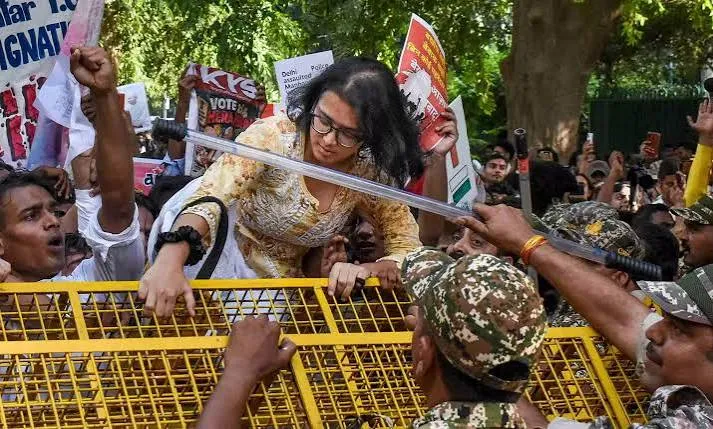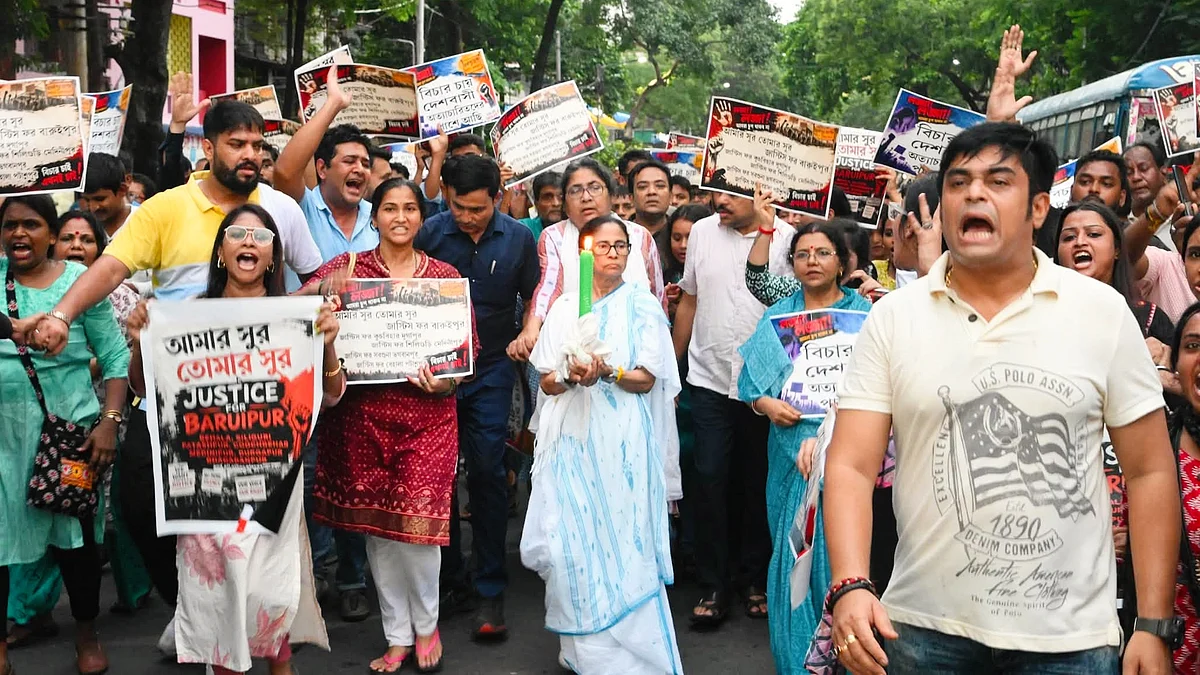
KOLKATA, India — The shocking rape and murder of a young girl in eastern India has ignited widespread civil unrest, culminating in the mob-killing of an innocent bystander and the subsequent death of the primary suspect in police custody.
The tragic chain of events has once again exposed India’s structural struggles with sexual violence and the systemic failures of its law enforcement and judicial processes.

A Grim Discovery Sparks Unrest
The crisis began when the body of a girl, believed to be 11 or 12 years old, was recovered from a pond in Baruipur, a city in West Bengal state. The child had been reported missing by her family the previous day. Local authorities later confirmed that she had been raped, triggering immediate public outrage.
As graphic video footage of the recovery spread across social media, local anger boiled over into riots. Demonstrators blocked railway lines and vandalized local shops. Amid the chaos, a vigilante crowd targeted an individual falsely believed to be the perpetrator, beating him to death.
West Bengal Chief Minister Suvendu Adhikari later confirmed the man’s innocence.
“He too will get justice,” Chief Minister Adhikari told reporters, adding that approximately 200 individuals involved in rioting and damaging police vehicles have been identified.
Suspect Killed in Police Shootout
The unrest intensified following the death of the primary suspect while in law enforcement custody.
According to state-run broadcaster News on Air, police had taken the suspect back to the crime scene to reconstruct the events of the assault as part of their investigation. During the process, the suspect allegedly snatched a service weapon from an officer, fired a round, and attempted to flee.
A shootout ensued, leaving the suspect severely injured. He was later declared dead.

Contextualizing India’s Sexual Violence Crisis
The tragedy in Baruipur is the latest flashpoint in India’s ongoing struggle with violence against women and children.
While the historic 2012 Nirbhaya gang-rape case resulted in stricter anti-rape legislation—including broader legal definitions of penetration and harsher penalties for stalking and voyeurism—activists argue these measures have failed to act as a sufficient deterrent.
Government data from 2024 recorded 29,536 rape cases nationwide, a figure advocacy groups claim is vastly underreported due to social stigma and institutional friction.
Structural and Political Hurdles
-
Deep-Rooted Patriarchy: Activists point to persistent cultural challenges, such as illegal yet prevalent dowry demands and an ongoing societal preference for male heirs.
-
Gender Disparity: The World Economic Forum’s 2025 Gender Gap Report ranks India 131st out of 148 nations regarding socio-economic opportunities for women.
-
Extrajudicial Precedent: Suspect deaths in police custody are a recurring issue in India, frequently drawing condemnation from human rights groups who argue that “encounter killings” subvert the transparent rule of law.
High Political Stakes
The incident has quickly mutated into a fierce political battleground. In May 2026, Prime Minister Narendra Modi’s Bharatiya Janata Party (BJP) won control of West Bengal, ending the 15-year tenure of the All India Trinamool Congress (AITC).
The opposition Trinamool Congress has seized on the tragedy, accusing the newly formed BJP state administration of failing to secure public safety for women and girls. The BJP-led West Bengal government has firmly denied the allegations, maintaining that police are acting swiftly to restore order and deliver justice.